

Most school websites don’t fail because they were poorly designed. They fail because they were left too long. What once felt modern and accurate slowly becomes outdated. Not just visually, but structurally and strategically. And because the change is gradual, it often goes unnoticed internally. From a parent’s perspective, though, the impact can be immediate. They are forming impressions in seconds, and your website can be the first place that happens.
Why This Matters More Than Schools Think

For many schools, enrolment decisions don’t start with a visit. They start online. Parents are comparing:
- Multiple schools
- Different locations
- Different values and offerings
And your website can be the first filter. If it feels:
- Hard to navigate
- Visually dated
- Text-heavy or unclear
…it creates doubt. Even if the school itself is strong. A well-performing school with an underperforming website creates a disconnect.
Your Website Isn’t Just for Prospective Parents
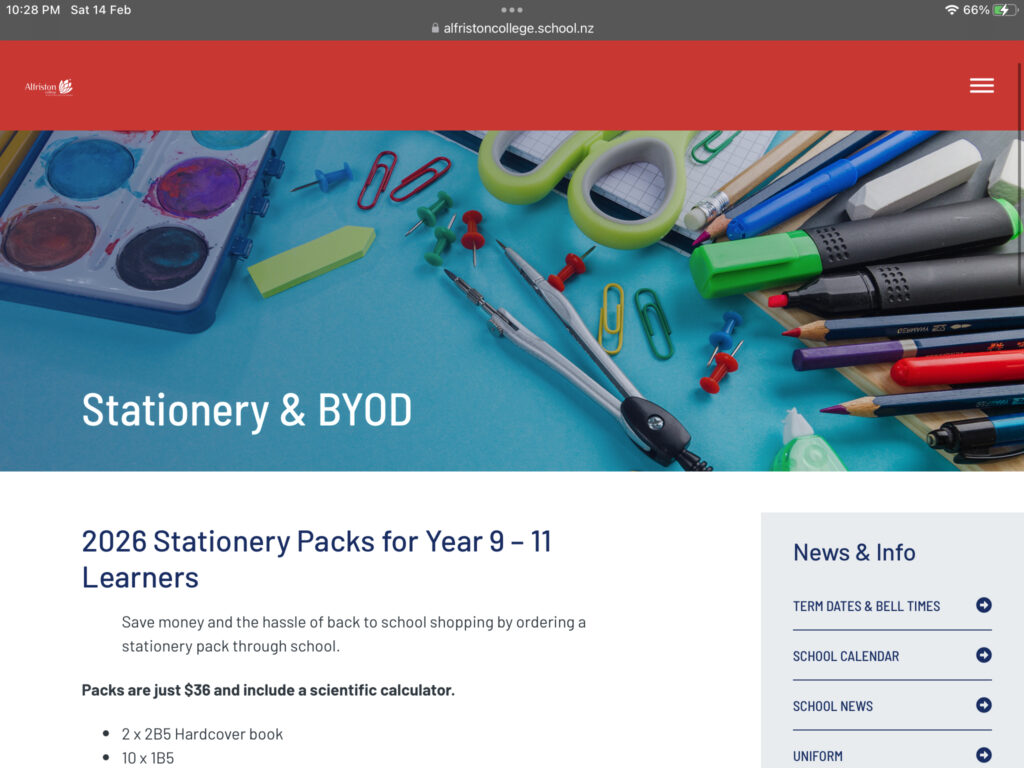
Most school websites are treated as a marketing tool. But in reality, they’re also a daily operational tool. For current parents, the website is where they go to find:
- Term dates
- Bell times
- Bus information
- Policies and updates
- What to do in unexpected situations (e.g. closures)
When this information is:
- Hard to find
- Outdated
- Inconsistent
That usually shows up as:
- More phone calls
- More admin time
- Frustrated parents
A well-structured website doesn’t just improve perception; it reduces pressure on your team.
So, How Often Should a School Update Its Website?
There are two different answers and both matter.
1. Major Redesign: Every 3–5 Years
This includes:
- Structure
- Design
- User experience
- Messaging
Why this timeframe? Because:
- Technology changes
- Parent expectations evolve
- School priorities shift
A website built even 4–5 years ago may:
- Not reflect current enrolment priorities
- Be structured around outdated content
- Feel visually behind compared to other schools
2. Ongoing Updates: Every Term (At Minimum)
This is where many schools fall behind. Regular updates should include:
- Key dates and announcements
- Staff changes
- Updated imagery
- Programme or curriculum updates
If these aren’t maintained, the site quickly feels:
- Static
- Unattended
- Less trustworthy
What Actually Needs Updating?
Not everything needs to change at once. The most important areas to review are:
1. Structure (The Biggest Issue)
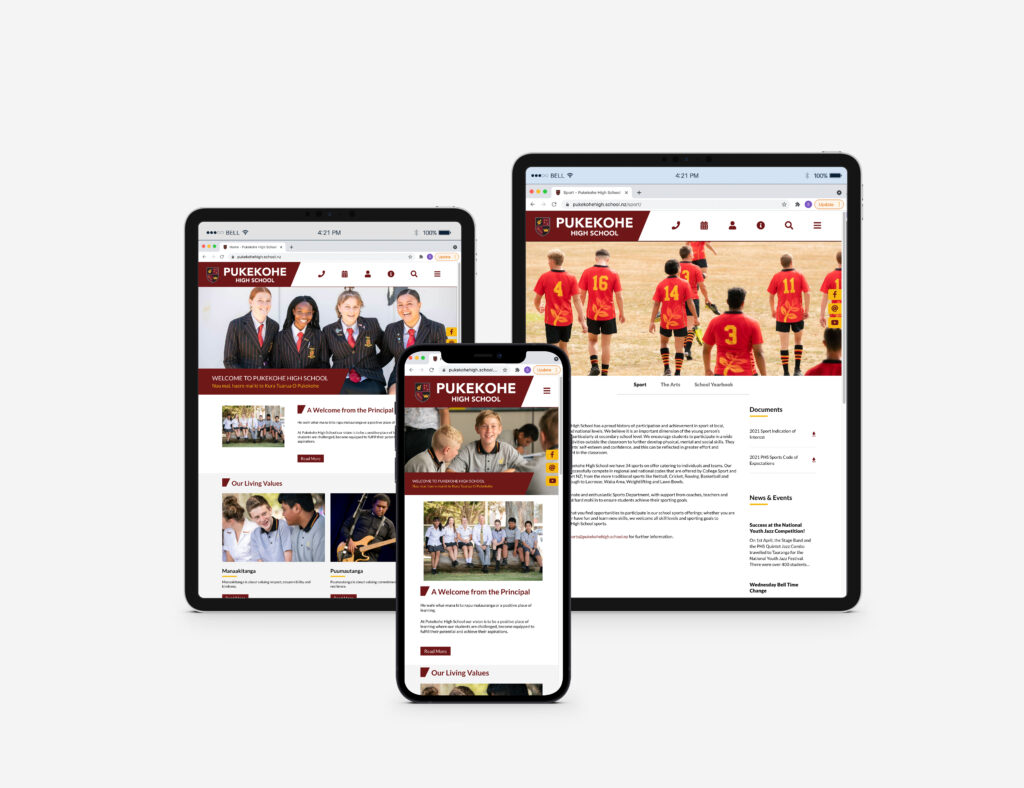
Many school websites grow over time without a clear plan. Common problems:
- Too many pages
- Confusing navigation
- Information buried too deeply
A strong website makes it easy for parents to quickly find:
- Enrolment information
- What makes the school different
- Day-to-day life
2. Messaging (Often Overlooked)
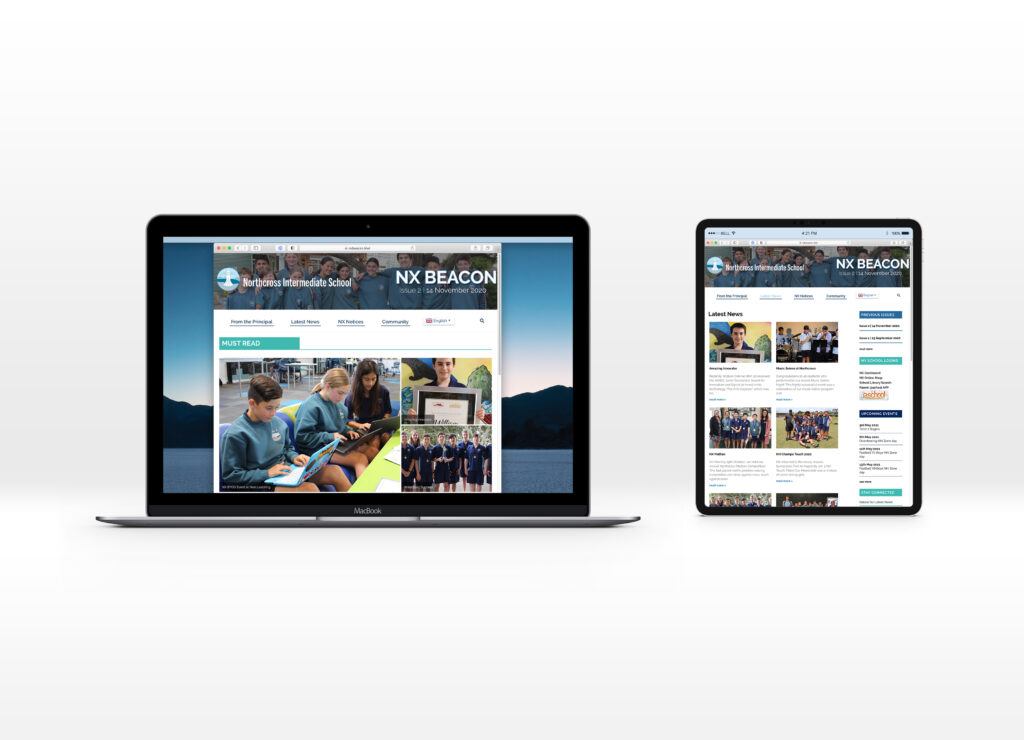
Schools can tend to focus on what they offer rather than what parents are looking for. For example:
- Long descriptions of programmes
- Internal language
- Lack of clarity around values or outcomes
Clear, parent-focused messaging makes a significant difference.
3. Visual Design (First Impressions)
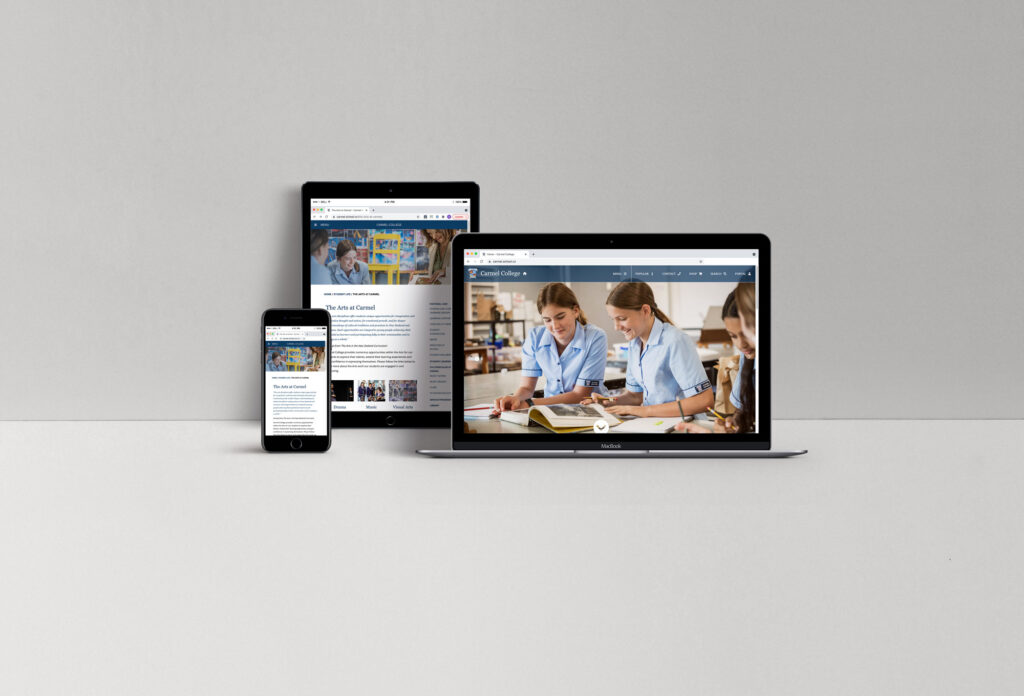
Design isn’t just about aesthetics. It signals quality and care. Outdated design can suggest:
- A lack of investment
- A school that hasn’t evolved
- Lower perceived standards
Even small improvements can lift perception significantly.
4. Photography

This is one of the most influential and most neglected elements. Strong schools often rely on:
- Old photos
- Low-quality images
- Inconsistent styles
Authentic, high-quality imagery helps parents:
- Visualise their child at the school
- Connect emotionally
Signs Your Website Needs Attention
If any of these sound familiar, it’s likely time to review your site:
✔ It hasn’t been updated in 3+ years
✔ Staff avoid updating it because it’s “too hard”
✔ It doesn’t reflect the current school experience
✔ Parents ask questions that should be easy to find online
✔ It feels inconsistent or cluttered
Even addressing a few of these can make a noticeable difference.
A More Practical Approach (Without Overwhelming Your Team)
Updating a website doesn’t need to be a full rebuild every time. A more manageable approach is:
- Review structure first (what actually needs to be there)
- Refine key pages (home, enrolment, about)
- Update visuals gradually
- Plan for a full refresh every few years
This keeps things moving without creating unnecessary pressure.
Final Thought
A school website is not a one-off project. It’s an evolving reflection of your school, and one of the most important tools you have to shape perception. When it’s clear, current, and well-structured, it builds confidence before a conversation even begins. If you’re unsure where your website sits, a simple review can quickly highlight what’s working and what’s not.
Not Sure Where to Start?
A short website review can quickly identify what’s working well, where parents may be experiencing friction, and what improvements could make the biggest impact without committing to a full redesign.
We’ll provide practical, school-focused feedback on:
✔ Structure and navigation
✔ Parent usability
✔ Messaging and clarity
✔ Visual presentation
✔ Areas for improvement prioritised by impact
Whether your website needs a few refinements or a larger refresh, we’re happy to guide you through the most practical next steps.
Complimentary Website Review
No obligation. Just practical recommendations tailored to your school.