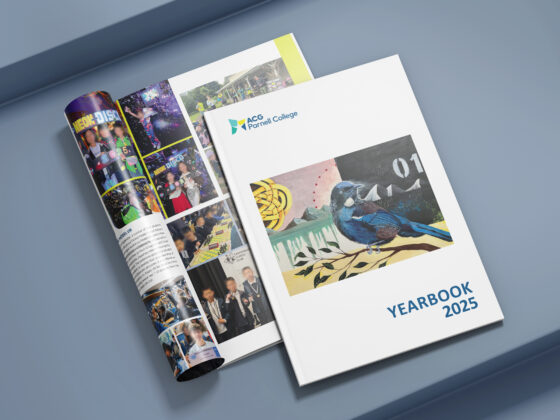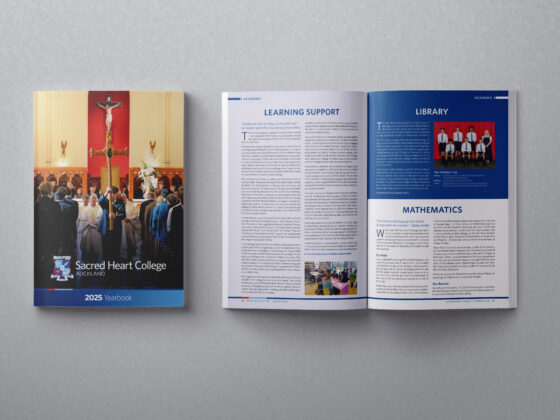

Every school produces a yearbook. But not every yearbook gets kept. Some are looked at once, then put aside. Others become something students return to years later. Something meaningful, personal, and lasting. The difference isn’t budget. It’s how the yearbook is approached.
The Problem With Most Yearbooks
For many schools, yearbooks become a checklist of reports: SLT reports, department reports, sport reports, and so on. Everything is included. But not everything connects. The result is a document that records the year, but doesn’t really capture it. Students don’t keep yearbooks because they are comprehensive. They keep them because they want to look back on photos that bring back memories of people and moments that mattered to them.
What Actually Makes a Yearbook Worth Keeping?
1. It tells a story (not just a timeline)

A strong yearbook has a clear narrative:
- What defined the year?
- What moments mattered most?
- What did students experience together?
Without this, it becomes a collection of disconnected pages. Story creates meaning and meaning is what people return to.
2. It reflects the students (not just the school)

Many yearbooks focus heavily on:
- Formal achievements
- Official events
- Structured content
But what students remember is often:
- Friendships
- Small moments
- Everyday experiences
3. It balances structure and creativity
Too structured:
- Feels repetitive
- Lacks personality
Too unstructured:
- Feels chaotic
- Hard to follow
The strongest yearbooks strike a balance:
- Clear layout
- Consistent design
- Space for creativity and variation
4. The design supports the content

Design isn’t just about making it look “nice”. It’s about making it:
- Easy to engage with
- Visually cohesive
- Consistent throughout
Common issues:
- Too many styles
- Inconsistent formatting
- Overcrowded pages
Good design makes the content feel more valuable.
5. It feels cohesive (not pieced together)
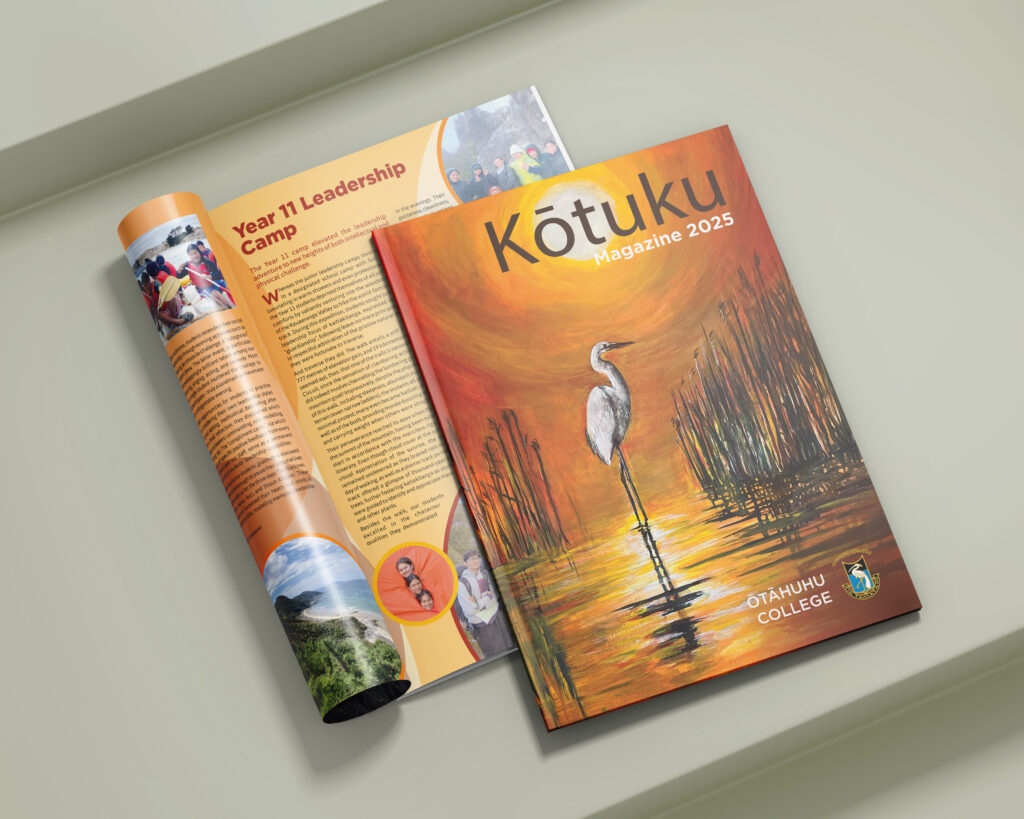
Yearbooks often involve multiple contributors. Without clear direction, this leads to:
- Inconsistent tone
- Mixed visual styles
- Repetition or gaps
A cohesive yearbook feels intentional not assembled.
6. It’s easy to contribute to

Most yearbooks are managed by one staff member. Organising content from staff and students across the entire school. And they’re often doing this on top of everything else.
If the process is:
- Complicated
- Time-consuming
- Unclear
…the quality suffers.
A good system makes it easy to:
- Gather content
- Review pages
- Stay on track
Why Many Yearbooks Get Forgotten
It usually comes down to three things:
- Too much information, not enough meaning. Everything is included but nothing stands out.
- Lack of clear direction. No consistent structure or theme.
- Rushed production. If left too late decisions are reactive, not thoughtful.
A Better Way to Approach It
Schools that produce strong yearbooks tend to:
- Start with a clear structure
- Decide what matters most early
- Keep design consistent
- Focus on student experience, not just events
And importantly, they don’t try to do everything at once.
Final Thoughts
A yearbook isn’t just a record. It’s a reflection of a moment in time – for students, staff, and the wider school community. When it’s done well, it becomes something people return to. Not because they have to. Because they want to.
If your school is planning a yearbook this year, having a clear structure and process from the start makes all the difference, both in quality and workload.